Elana Sztokman
6 בדצמ׳ 2023
Amid war, food rescue group switches from relying on farmers’ generosity to helping them survive
Yariv Hagbi, a farmer whose family has been growing produce in the area of southern Israel near Gaza for generations, spent part of Oct. 7 fighting terrorists who broke into his family home in the town of Yakhini.
That Saturday, his brother, Yizhar Hagbi, and several other relatives were killed. Since then, the entire community of Yakhini has been displaced, but Hagbi stayed behind because he’s determined to save the family farm — despite all the grief, shock and devastation.
“At a certain point, you have to get back to life,” Hagbi said.
A range of produce grows at Hagbi’s farm in Nir Moshe, including broccoli, potatoes, cabbage, melon, tomatoes, corn and chickpeas. Until the war, the farm relied on Thai farmhands — part of an agricultural workforce of tens of thousands of foreign laborers in Israel. But most fled their places of work after Hamas’s brutal attack left dozens of foreign farmworkers dead or abducted and turned a large swath of southern Israel into a war zone. Without the 20 Thais who had worked at Hagbi’s farm, Hagbi’s produce was left unpicked and was starting to rot.
Hundreds of other farms in southern Israel — the source of approximately 75% of the country’s vegetables — were in similarly dire circumstances.
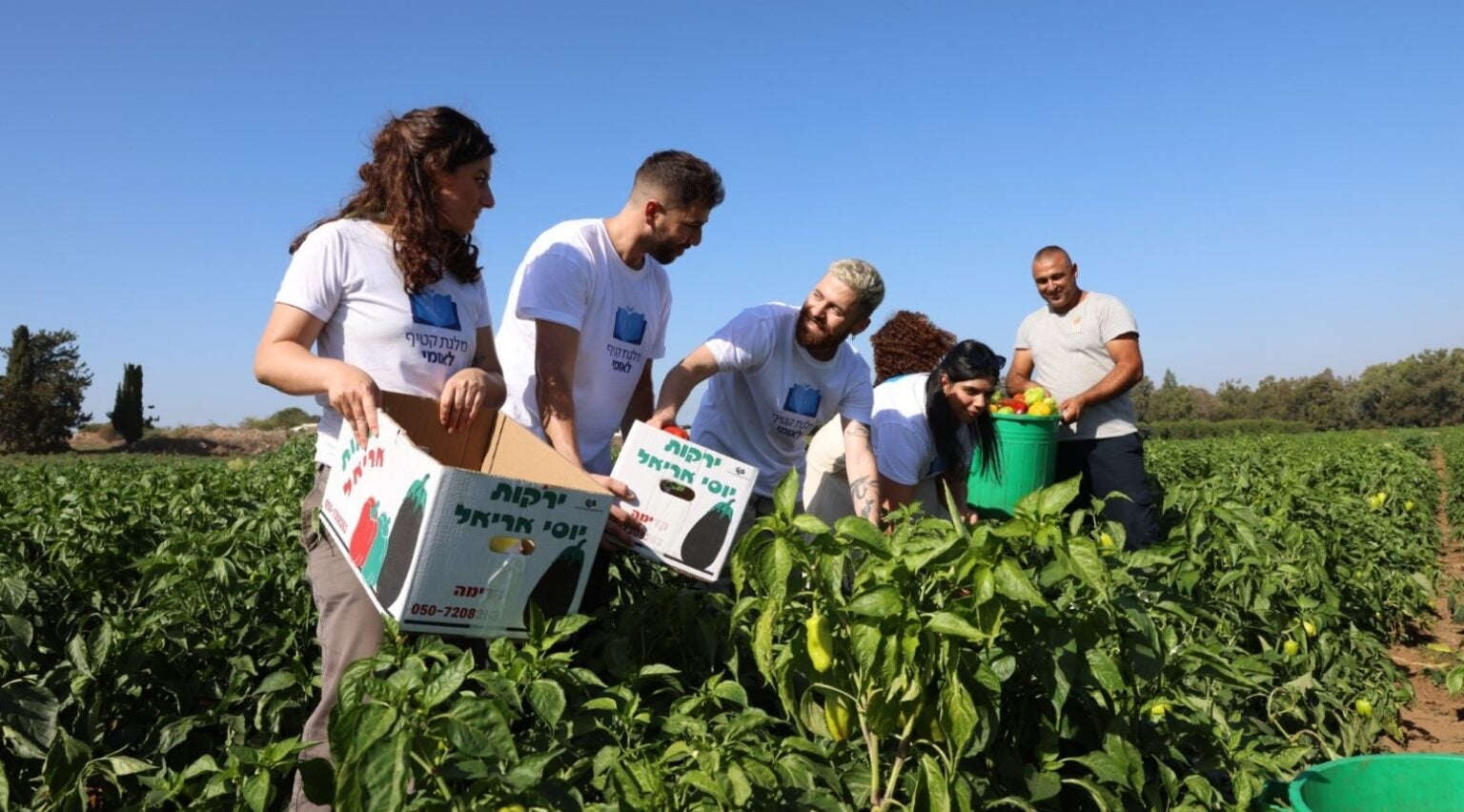
Joseph Gitler, Founder and Chairman of the Israeli food rescue organization Leket Israel, quickly pivoted his organization’s focus to address the crisis.
In normal times, Leket Israel collects surplus produce from farms around the country — and excess cooked meals from institutions such as hotels and army bases — and distributes the food to needy families via a network of nonprofit organizations. In 2022, Leket rescued 58 million pounds of agricultural produce, and the 20-year-old organization was on track to increase those numbers in 2023.
Then came Hamas’s attack and the war in Gaza.
“We immediately understood that the Oct. 7 attack would bring an upheaval to our work,” Gitler said. “We realized that our food sources were about to dry up.”